
OEM vs ODM in Garment Manufacturing: Which Model Fits Your Brand?
7 October 2026
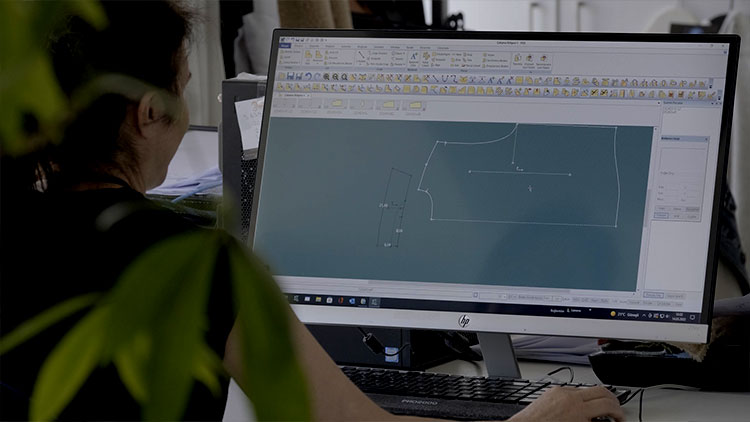
OEM and ODM are two of the most common terms used when a brand talks to a garment factory, and they describe two genuinely different working relationships. Choosing the right one affects how much design work a brand needs to do itself, and what it should prepare before the first conversation with a factory.
A third term, CMT, often comes up alongside them and causes confusion because it overlaps with both. It is worth separating the three clearly.
What OEM means in practice
OEM stands for original equipment manufacturer, and in apparel it means the brand supplies a complete tech pack, including pattern, measurements, fabric specification, trims and construction details, and the factory produces the garment to that specification.
This model suits brands that already have an in-house design team, or that work with an external designer, and simply need manufacturing capacity and production expertise. The brand retains control over every design decision, and the factory's role is to execute it accurately and consistently.
What ODM means in practice
ODM stands for original design manufacturer. Here the factory develops the style itself, starting from a brief, a mood board, or a reference image, and produces patterns, fabric suggestions and a sample for the brand's approval.
This model suits brands that want to move faster or that do not have a large in-house design team, since it shifts the development workload, such as pattern making and initial sampling, to the manufacturer. The brand still approves, rejects or requests changes at each stage, but the starting point is produced by the factory rather than supplied by the brand.
Where CMT sits between the two
CMT, cut-make-trim, is narrower than either OEM or ODM. It describes an arrangement where the factory only cuts, sews and trims a garment, while the brand supplies the fabric and often the trims directly.
CMT can sit inside an OEM relationship when a brand wants very tight control over fabric sourcing, but it is a distinct commercial arrangement, since the factory is being paid for construction labour rather than for sourcing materials.
What a buyer should have ready for each model
For OEM, a buyer needs a complete tech pack: graded pattern or base pattern, a bill of materials listing every fabric and trim, construction notes and a clear tolerance range for measurements. Gaps in this documentation usually show up as delays or miscommunication once sampling starts.
For ODM, a buyer needs a clear brief rather than a tech pack: target customer, price position, fit intention, key fabric qualities and reference styles. The clearer the brief, the fewer sample rounds it typically takes to land on an approved style.
Working with ANT Textile
ANT Textile's in-house team includes fashion designers, textile engineers and pattern makers who work through design, modelling and sampling, which means both OEM and ODM relationships are handled within the same factory group rather than being outsourced further.
If you want to discuss which model fits your brand and what to prepare for the first sample round, contact ANT Textile at info@ant-ltd.com or +90 212 663 66 22.
OEM vs ODM in garment manufacturing explained: what each model means, where CMT fits, and what a buyer needs ready before approaching a factory.
Contact us